Inari Village Where Ancient Japan Meets Modern Imagination

Inari Village

Where Ancient Japan Meets Modern Imagination

Latest Articles

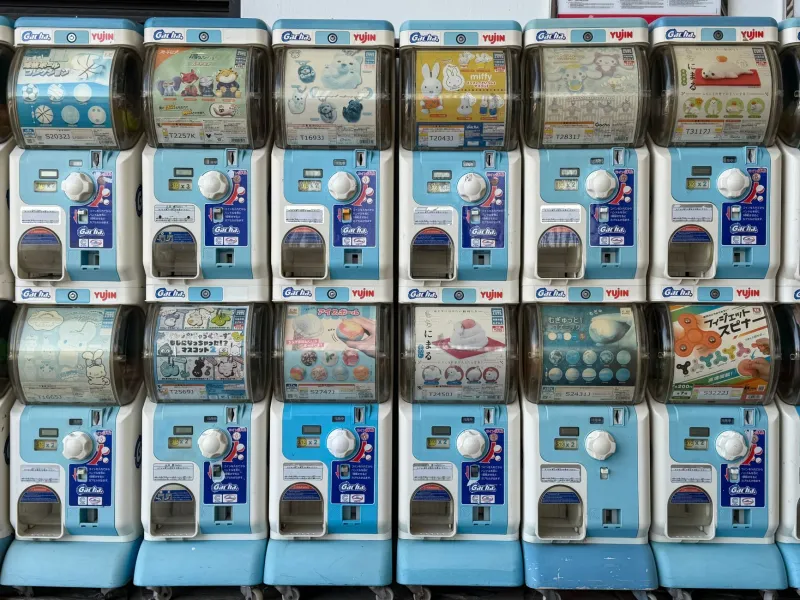
Tiny Prizes, Big Feelings: Why American Collectors Can't Stop Feeding the Capsule Machine
Culture & Mythology

Tiny Prizes, Big Feelings: Why American Collectors Can't Stop Feeding the Capsule Machine

Gashapon machines have quietly colonized American malls, comic shops, and corner boutiques, and honestly? We get it. Here's the psychology, the economy, and the etiquette behind Japan's tiniest export.

Five Days of the Fox: A Busy American's Guide to Keeping a Japanese Seasonal Journal
Culture & Mythology

Five Days of the Fox: A Busy American's Guide to Keeping a Japanese Seasonal Journal

Tsukinami nikki — Japan's old tradition of seasonal diary-keeping — might be the gentlest productivity system ever invented. No streaks, no hustle, just you, the moon, and the first plum blossom of the year.

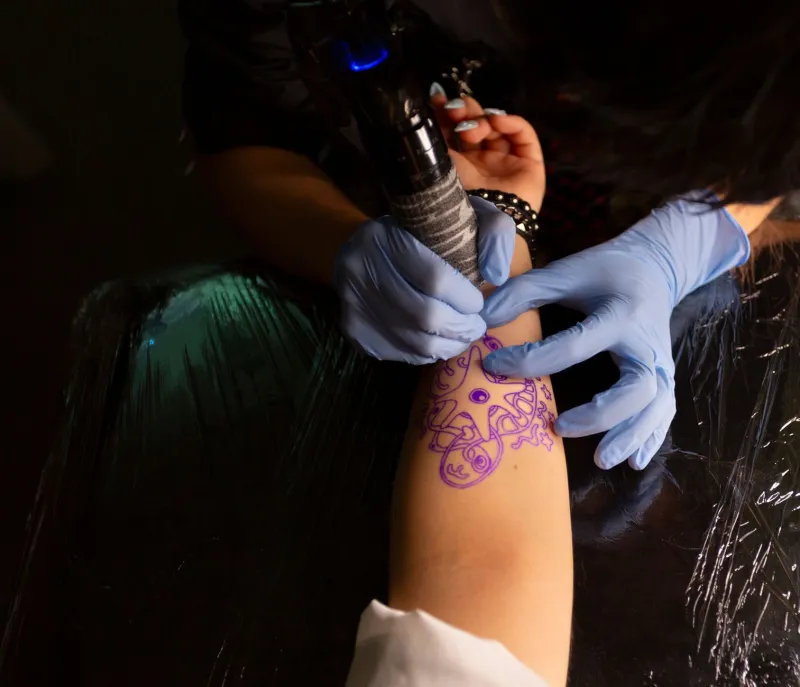
That Tattoo Doesn't Say 'Strength': The Kanji Ink Mistake Americans Keep Making (And How to Avoid It)
Lifestyle & Home

That Tattoo Doesn't Say 'Strength': The Kanji Ink Mistake Americans Keep Making (And How to Avoid It)

Japanese calligraphy tattoos are everywhere in America — and so are the mistranslations. A practical, slightly exasperated guide to getting ink in a language you don't speak, from the language teachers who've seen it all.

The Demon in Your Living Room: Unpacking the Bakeneko Legend Behind Every 'My Cat Is Plotting Against Me' Meme
Culture & Mythology

The Demon in Your Living Room: Unpacking the Bakeneko Legend Behind Every 'My Cat Is Plotting Against Me' Meme

Long before cats ruled the internet, Japan's bakeneko folklore claimed they could walk upright, speak human words, and curse the families they lived with. Turns out Edo-period villagers and modern meme lords had exactly the same theory about cats: they know more than they're letting on.

Say It Like You Mean It: Japanese Farewell Rituals for Americans Who Are Terrible at Endings
Lifestyle & Home

Say It Like You Mean It: Japanese Farewell Rituals for Americans Who Are Terrible at Endings

Quitting a job, moving out of an apartment, leaving a group chat — Americans tend to ghost our own goodbyes. Japan's deliberate, almost ceremonial approach to parting offers a better way to close a chapter without losing your mind (or your security deposit).

Soundproof Boxes and Zero Judgment: How Japan's Karaoke Culture Is Quietly Rewriting America's Night Out
Culture & Mythology

Soundproof Boxes and Zero Judgment: How Japan's Karaoke Culture Is Quietly Rewriting America's Night Out

Forget the sticky-floored dive bar with a stranger's eyes on you while you butcher a power ballad. Japan figured out decades ago that the best karaoke happens behind a closed door — and American cities are finally catching on.

Gentle No, Powerful Boundary: What Japanese Refusal Culture Is Teaching Burned-Out Americans
Culture & Mythology

Gentle No, Powerful Boundary: What Japanese Refusal Culture Is Teaching Burned-Out Americans

Americans are exhausted from saying yes to everything — and a surprising teacher has emerged in the form of Japanese indirect refusal culture. From the workplace to the family dinner table, the art of 'iie' offers a softer, more compassionate path to protecting your time and energy. Here's how real people across the US are learning to say no without the guilt spiral.

The Stack Is the Point: A Love Letter to Unread Books and the Japanese Wisdom Behind Your Guilt-Free TBR Pile
Lifestyle & Home

The Stack Is the Point: A Love Letter to Unread Books and the Japanese Wisdom Behind Your Guilt-Free TBR Pile

You have a stack of unread books on your nightstand. Maybe two stacks. Maybe a whole shelf of aspirational spines you haven't cracked since you bought them. Japanese culture has a word for this — tsundoku — and it turns out the practice isn't a character flaw. It might actually be one of the healthiest things you do. Here's why your unread books deserve a defense.

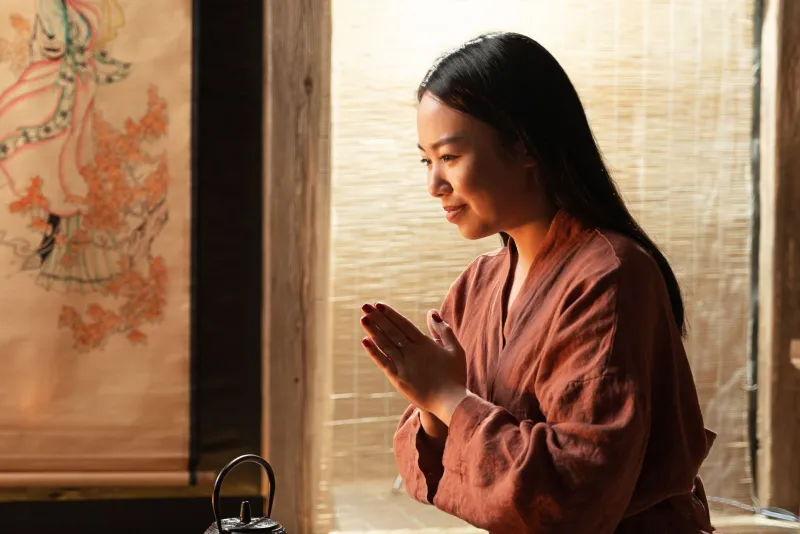
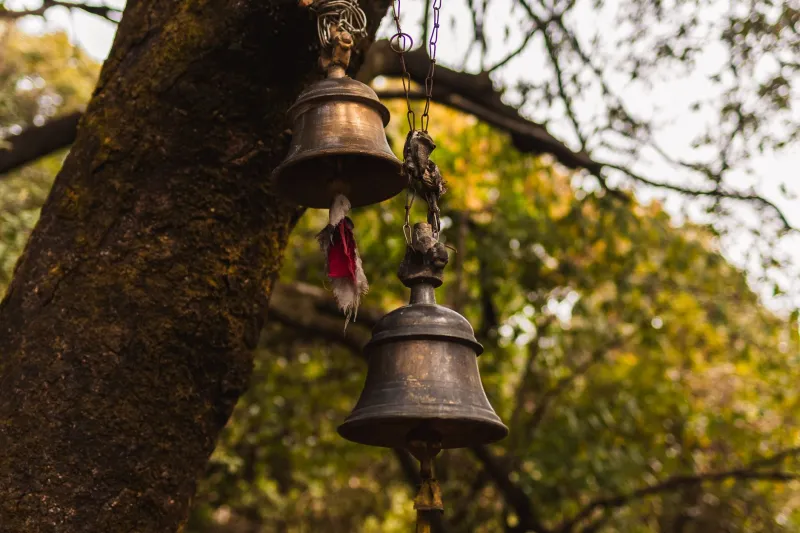
When the Bell Rings, the Mind Goes Quiet: America's Growing Love Affair With Japanese Temple Sound Healing
Lifestyle & Home

When the Bell Rings, the Mind Goes Quiet: America's Growing Love Affair With Japanese Temple Sound Healing

In yoga studios, community centers, and converted warehouses from Portland to Pittsburgh, something ancient is vibrating through modern American air. Temple bell sound baths rooted in Japanese Buddhist and Shinto tradition are drawing in stressed-out city dwellers by the thousands. The science is catching up to what monks have known for centuries — and the experience might just rewire your whole relationship with noise.

Outsider, Then Family: Why Anime's Village Outcasts Feel So Deeply American
Culture & Mythology

Outsider, Then Family: Why Anime's Village Outcasts Feel So Deeply American

There's something quietly radical about an anime hero who shows up knowing absolutely nobody. For millions of American viewers, that lonely arrival isn't just a plot device — it's a mirror. We dig into why village-based anime narratives are hitting so close to home.

Grandma's Recipes Were Just the Beginning: How Japanese Storytelling Traditions Are Inspiring American Families to Talk Again
Lifestyle & Home

Grandma's Recipes Were Just the Beginning: How Japanese Storytelling Traditions Are Inspiring American Families to Talk Again

In Japan, some of the most important stories have always been passed down not in books, but over bowls of ramen and cups of tea. A quiet movement of American families is borrowing that tradition — and finding that the stories they tell around the table might be exactly what their kids need most.

The Power of Nothing: How Japanese 'Ma' Is Teaching Americans to Love Their Empty Corners
Lifestyle & Home

The Power of Nothing: How Japanese 'Ma' Is Teaching Americans to Love Their Empty Corners

Forget maximalism. Forget gallery walls. A growing number of American homeowners are discovering that the most meaningful design choice they can make is to leave something blank. Welcome to 'ma' — the Japanese philosophy of intentional emptiness that's quietly changing how we think about our living spaces.

Goddesses Don't Hustle: The American Women Finding Power in Japanese Deity Devotion
Culture & Mythology

Goddesses Don't Hustle: The American Women Finding Power in Japanese Deity Devotion

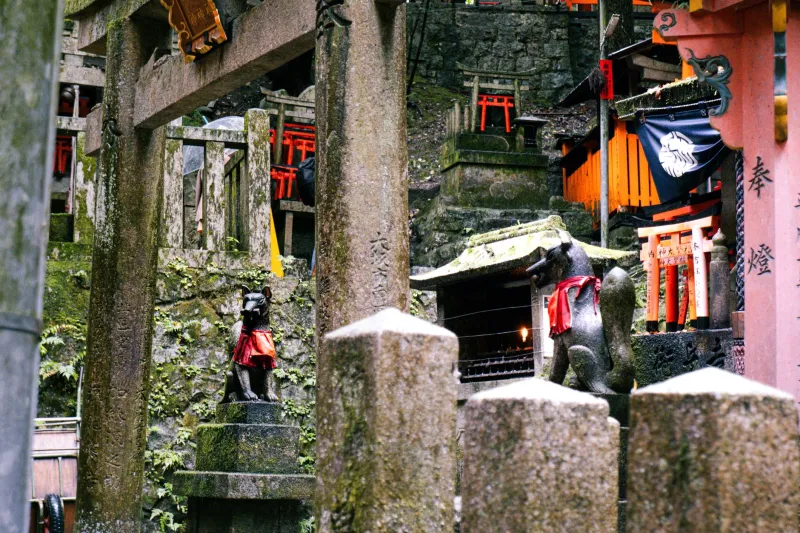
From Inari's foxes to Benzaiten's lute, a growing number of American women are quietly building spiritual practices around Japanese female deities — and finding in them something Western traditions haven't been offering: a model of power that doesn't require permission.

Steam, Silence, and Strangers: How Japanese Bathhouse Culture Might Be America's Loneliness Fix
Lifestyle & Home

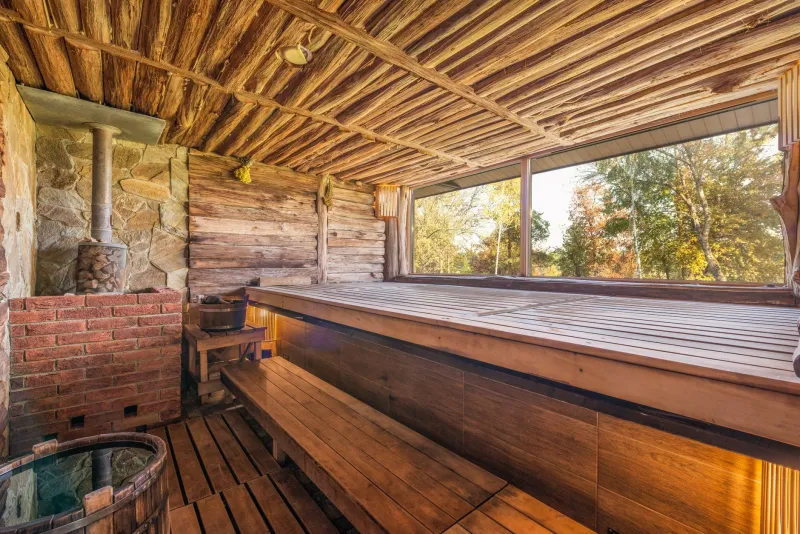
Steam, Silence, and Strangers: How Japanese Bathhouse Culture Might Be America's Loneliness Fix

America is lonely — and no wellness app is fixing it. But a centuries-old Japanese tradition involving hot water, communal silence, and a total lack of small talk might actually be the answer we've been overlooking.

Shape-Shifters and Grief: Why Japanese Folklore Creatures Are Helping Americans Find Their Way Through Loss
Culture & Mythology

Shape-Shifters and Grief: Why Japanese Folklore Creatures Are Helping Americans Find Their Way Through Loss

When words fail and Western frameworks for grief feel hollow, some Americans are turning to tanuki, kitsune, and yūrei — Japan's ancient shapeshifting and liminal beings — as surprisingly powerful guides through loss and transformation. This is what they're finding.

Welcome to the Soul of the Room: How Japanese 'Yohkoso' Energy Is Quietly Redefining American Hospitality
Culture & Mythology

Welcome to the Soul of the Room: How Japanese 'Yohkoso' Energy Is Quietly Redefining American Hospitality

Across the US, a quiet revolution in hospitality is borrowing something ancient from Japan — a philosophy of welcome that goes far deeper than a smile and a menu. Yohkoso isn't just a word; it's a spiritual posture, and American restaurants, hotels, and small businesses are starting to feel the difference. Here's what happens when the kami are genuinely invited in.

A Table for One, No Apology Needed: Inside the Japanese-Inspired Solo Spaces Popping Up Across America
Lifestyle & Home

A Table for One, No Apology Needed: Inside the Japanese-Inspired Solo Spaces Popping Up Across America

Being alone in public has always felt a little charged in America — like you owe the room an explanation. But a growing number of US entrepreneurs are borrowing from Japan's deeply comfortable culture of solitude to build spaces where flying solo isn't just acceptable, it's the whole vibe. From quiet-zone cafés to structured solo activity nooks, the solo-friendly revolution is here.

The Spirit in the Discard Pile: How Japanese Folklore About Forgotten Objects Is Fueling America's Upcycling Revolution
Culture & Mythology

The Spirit in the Discard Pile: How Japanese Folklore About Forgotten Objects Is Fueling America's Upcycling Revolution

In Japanese mythology, objects that are discarded or neglected can develop souls — becoming tsukumogami, spirits born from things that have been forgotten. For a growing wave of American Gen Z makers and sustainability activists, that ancient idea is hitting uncomfortably close to home. Here's how folklore about haunted umbrellas and abandoned sandals became a rallying cry for zero-waste culture.

Culture & Mythology

Fox Gods and Fortune: How American Entrepreneurs Are Quietly Invoking Inari for Business Luck

From Etsy shop owners to Silicon Valley founders, a growing wave of American entrepreneurs is turning to Inari—Japan's ancient deity of foxes, rice, and prosperity—as an unlikely source of business inspiration. What started as aesthetic appreciation for kitsune imagery has quietly evolved into something deeper: a genuine cultural exchange around abundance, intention, and the spiritual side of commerce. Here's why Inari's influence is spreading far beyond Japan's torii gates.

Culture & Mythology

From Hustle to Mastery: How the Japanese Idea of Sensei Is Quietly Rewiring American Mentorship

Americans are quietly stepping away from the grind-and-grind model of success and leaning into something older, slower, and frankly more satisfying. The Japanese concept of sensei — a guide deeply invested in a student's long-term growth — is showing up everywhere from TikTok creative communities to Fortune 500 training rooms. Here's why it's catching on, and what it might mean for how we work, create, and grow.

Recommended

non gamstop casinos casinos not on gamstop non gamstop casinos UK