A Table for One, No Apology Needed: Inside the Japanese-Inspired Solo Spaces Popping Up Across America
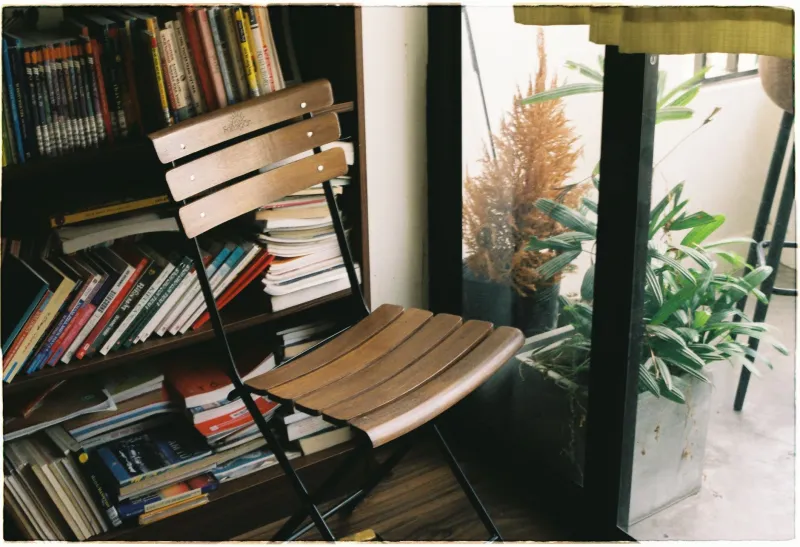
Here's an experience almost every American introvert knows by heart: you walk into a café alone, scan the room, and feel the subtle weight of being a party of one in a space designed for parties of two or more. The big round tables feel wasteful. The booth feels presumptuous. You end up at the counter, facing a wall, pretending you meant to do that.
In Japan, this scenario plays out very differently. The country has long had a sophisticated infrastructure for comfortable solitude — ichiran ramen stalls with individual booths and curtained partitions, manga kissa (manga cafés) with private pods for single visitors, and a broader cultural understanding that being alone in public is simply... a normal human state. Not sad. Not suspicious. Just fine.
Now that philosophy is crossing the Pacific, and American entrepreneurs are building something genuinely new out of it.
Why America Made Solitude Awkward
Before we get into the spaces, it's worth asking: why has being alone in public felt so loaded here?
American social culture tends to read solitude as a problem to be solved. Sitting alone at a restaurant signals something — a bad date, a rough patch, a personality flaw. Cafés are designed as social venues first, work venues second, and solo-comfort venues approximately never. The implicit message built into most American public spaces is: you should be with someone.
This creates a specific kind of low-grade stress for introverts, solo travelers, remote workers, and honestly anyone who just wants to exist in public without performing sociability. It's exhausting.
Japan's approach is rooted in something older than café design trends. The concept of kodawari — a deep, personal commitment to doing something your own way — extends to how people occupy space. Solitude isn't isolation; it's a legitimate mode of being. The spaces built around it reflect that respect.
The Mononoke Café Aesthetic
The term "mononoke café" has started floating around certain corners of design Twitter and Japanese culture blogs, and it's worth unpacking. Mononoke in Japanese folklore refers to spirits — often restless, often tied to objects or places that hold emotional weight. They're not necessarily scary; they're present. They occupy space with intention.
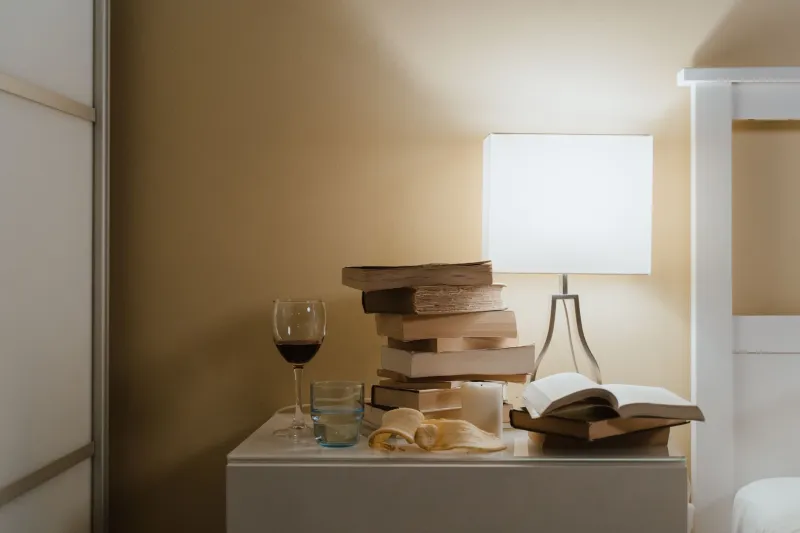
The phrase "mononoke café" has been adopted informally by a cluster of American café owners to describe spaces that feel inhabited in a specific way — quiet, layered, slightly otherworldly, designed for a single person to settle into completely. Think: a corner booth with low lighting and a shelf of weathered books. A window seat with a single cushion and a view of rain. A sound environment that feels like the edge of a forest.
These aren't gimmick spaces. They're designed environments built around the psychology of comfortable solitude.
Spaces Getting It Right
In Seattle, a café called Komorebi (named for the Japanese word describing sunlight filtering through leaves) opened eighteen months ago with a layout that's almost aggressively solo-friendly. There are no tables larger than two seats. Every seat has its own small lamp. A section of the café is designated a low-conversation zone — not silent, just quiet. The owner, who has been open about drawing from Japanese ma (the philosophy of meaningful empty space) in the design, says the response has been overwhelming.
"We sold out of our solo-membership passes in the first week," she says. "People were relieved. That was the word I kept hearing. Not 'cool' or 'cute.' Relieved."
In Austin, a Japanese-inspired community studio called Hitori (Japanese for "alone" or "by oneself") offers structured solo activities — solo ikebana flower arranging, solo ceramics sessions, solo tea ceremony workshops — all designed for a single participant at a time. It sounds lonely on paper. In practice, it's become one of the city's most-reviewed wellness experiences.
"People come in nervous," the founder explains. "They've been trained to think that doing something alone is a lesser version of doing it with a friend. By the end of a session, they've had this incredibly intimate experience with their own attention. That's actually rare."
Designing for the Solo Body
There's a practical design language emerging from these spaces that's worth cataloging, because it's genuinely different from conventional café or studio layout.
Nook architecture. Instead of open floor plans, these spaces use partial walls, curtains, bookshelves, and elevation changes to create a sense of contained personal space within a larger room. You're not isolated — you can see other people — but you have a defined territory.
Single-serving aesthetics. Everything is scaled to one. One cup. One small vase. One hook for your coat. The message is constant: you are complete as you are.
Ambient sound design. Several of these spaces use layered sound environments — distant rain, wind through bamboo, the soft crackle of something that sounds like a hearth — that create psychological shelter without blocking out the world entirely.
No-pressure duration. Unlike conventional cafés where a two-hour solo visit can feel like you're overstaying your welcome, solo-friendly spaces often use membership models or flat session fees that remove the pressure to justify your presence by ordering more things.
The Loneliness Economy Meets Ancient Wisdom
It's no secret that America is in the middle of a loneliness crisis. The Surgeon General called it an epidemic. Gen Z reports higher rates of social isolation than any previous generation measured. And yet the standard response — more events, more networking, more forced socializing — often makes things worse for people whose nervous systems just aren't built for that.
What's interesting about the Japanese-inspired solo space movement is that it doesn't try to fix loneliness by adding more people. It fixes it by making aloneness bearable — even beautiful. By treating solitude as a condition worth designing for, rather than a problem to be corrected.
In Japanese folklore, the mononoke spirits that inhabit quiet places aren't threatening. They're witnesses. They make the space feel less empty by being present in it. Maybe that's what these cafés are doing too — filling the silence not with noise, but with intention.
And for a lot of Americans, that turns out to be exactly what they needed.