Steam, Silence, and Strangers: How Japanese Bathhouse Culture Might Be America's Loneliness Fix
There's a moment that happens in a good sento. You lower yourself into the water, the heat wraps around your shoulders like something almost maternal, and the stranger across the pool gives you a small nod. Nobody speaks. Nobody has to. You are, somehow, completely not alone.
For Americans living through what the Surgeon General officially called a loneliness epidemic in 2023, that moment sounds almost radical.
What We Talk About When We Talk About Onsen
Japan has two primary traditions of communal bathing: the onsen, which draws from natural geothermal mineral springs, and the sento, the neighborhood bathhouse that served urban communities for centuries before most Japanese homes had indoor plumbing. The sento in particular was never just about getting clean. It was the original third place — not home, not work, but the warm, steamy in-between where neighbors became familiar to each other without effort.
The cultural rules are specific and quietly profound. You wash thoroughly before entering the communal pool. You don't splash. You don't stare. You don't perform. You simply exist alongside other people, and in doing so, you become part of a temporary, wordless community.
That last part — the wordless community — is actually the key.
"Most American social situations require you to produce something," says one regular visitor to a new onsen-inspired bathhouse that opened in Denver in late 2023. "You have to be funny, or interesting, or networked. In the bath, you just have to be a body. It's incredibly relieving."
The New Wave of American Bathhouses
Across the country, a quiet but notable wave of onsen-inspired wellness spaces has been opening in cities where the loneliness statistics are particularly grim. In addition to Denver, cities like Portland, Austin, New York, and Los Angeles have seen new communal soaking facilities open in the last three years — many explicitly drawing from Japanese bathhouse aesthetics and etiquette.
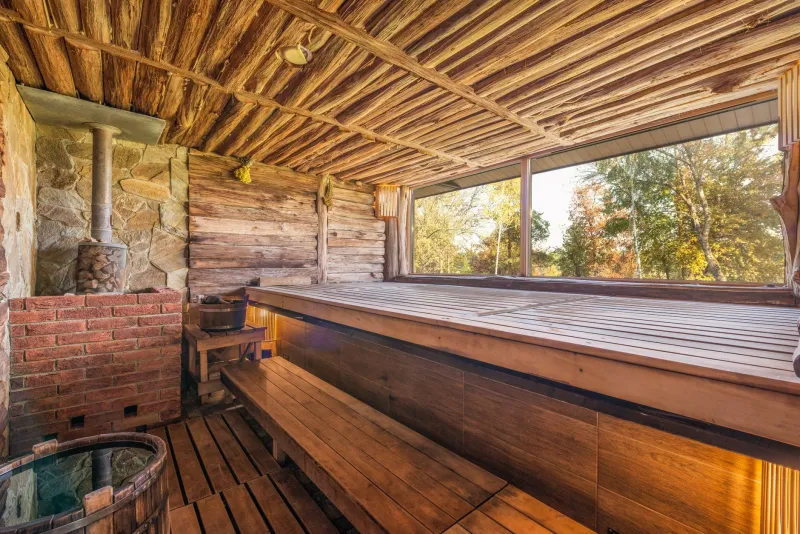
These aren't your average spa days. The design language is intentional: clean cedar, smooth stone, minimal signage, dim lighting, and a near-total absence of the aggressive upselling that defines most American wellness spaces. Several facilities have borrowed directly from sento traditions, posting etiquette guides at the entrance and discouraging phone use inside the bathing areas.
The demographic showing up might surprise you. Yes, there are wellness-obsessed millennials. But there are also retirees who haven't been touched by another person in months, young men who have no other context in which physical vulnerability is normalized, and couples who report that sitting in silence together in hot mineral water is somehow more connecting than any date night they've planned.
Why Hot Water Works Where Happy Hours Don't
There's actual science behind why shared bathing creates connection in ways that, say, office networking events simply don't.
Warm water immersion triggers the parasympathetic nervous system — the "rest and digest" branch that counteracts stress responses. When your body is physically relaxed and safe, your social defenses come down. Oxytocin, sometimes called the bonding hormone, gets a nudge. You're physiologically primed for connection.
What Japanese bathhouse culture figured out centuries ago is that you don't need to manufacture intimacy through conversation. Proximity and shared vulnerability — in this case, being literally unclothed and unhurried together — does the work that forced small talk never can.
"In Japan, the phrase 'hadaka no tsukiai' describes this," explains one cultural anthropology graduate student who has been studying the American sento revival for her thesis. "It translates roughly to 'naked socializing' — and it refers not just to physical nudity but to the psychological openness that communal bathing creates. You can't really put on airs when you're in a hot pool with someone."
The Village Logic of the Sento
At Inari Village, we talk a lot about what ancient Japanese community structures can offer a modern America that often feels fractured and disconnected. The sento is maybe the most literal example.
In the old neighborhood bathhouses of Edo-period Japan, the sento was where you learned who had a new baby, who was grieving, who needed a meal. Not because people announced these things loudly, but because regular proximity creates the kind of ambient awareness of each other that genuine community runs on. You noticed when Mr. Yamamoto hadn't come in for two weeks. You noticed when the young woman from the third floor looked like she'd been crying.
American life has systematically eliminated these structures. We drive alone to work. We order groceries online. We live in apartment buildings where we genuinely don't know the names of the people six feet through our walls. We've optimized for convenience and privacy so thoroughly that we accidentally optimized away the casual, low-stakes human contact that kept loneliness at bay.
The bathhouse doesn't fix that entirely. But it offers a version of it.
Making It Work in an American Context
The onsen-inspired spaces gaining traction in the US are navigating some real cultural friction. American attitudes toward nudity are complicated in ways that Japanese ones simply aren't, and several facilities have adapted by offering private soaking rooms alongside communal pools, or by creating gender-specific schedules to ease first-timers in.
What the successful ones seem to have figured out is that the etiquette itself is part of the appeal. Knowing there are rules — that you won't be hit on, that phones are discouraged, that loudness is gently not done — creates the psychological safety that makes communal bathing accessible to people who'd otherwise never try it.
One woman in Portland who started visiting a new sento-inspired facility after her divorce described it this way: "I needed to be around people but I couldn't handle people, if that makes sense. The bathhouse gave me that. I could sit in a room full of humans and not have to perform anything. It was the first time in months I felt like I was part of something."
That's the thing about steam and hot water and a quiet nod from a stranger. Sometimes the cure for loneliness isn't more talking. Sometimes it's just being in the water together.