Shoes Off, World Paused: The Quiet Case for a Real Genkan in Your American Entryway
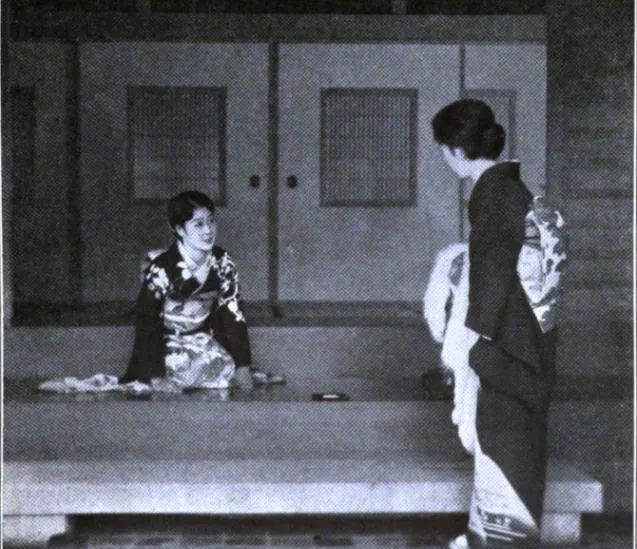
Photo: Unknown authorUnknown author, Public domain, via Wikimedia Commons
The American mudroom has a dirty secret: it is often a showroom with a coat hook. There is a bench nobody sits on, a chalkboard nobody updates, and a basket of decorative throw blankets that would be ruined by actual mud. It looks like preparation. It functions like a display.
The Japanese genkan is the opposite kind of space. It is not trying to impress anyone. It is trying to do one job well: mark the line between outside and inside. Shoes come off. Bags get set down. The day gets a beat of pause before it follows you into the house.
That pause is why American homeowners are quietly borrowing the idea. Not the shoji screens. Not the perfectly raked gravel. Just the threshold logic: a small, deliberate entryway that tells your body something is changing.
A Genkan Is a Pause, Not a Closet
In Japan, a genkan is usually a shallow recessed area just inside the front door, often with a step up into the main floor. Shoes stay at the lower level. The step is not a luxury detail. It is the whole point. You cannot drift into the house absentmindedly. You have to stop, bend, and decide.
That small physical action does more than keep floors clean. It creates a transition. Commuting brain comes off with the shoes. Work voice gets left by the door. The genkan is a soft landing between the street and the sofa.
American entryways often try to do too much. They are drop zones, mail sorting stations, dog towel storage, sports equipment parking, and display shelves for seasonal decor. That is fine, but it is not a threshold. It is a closet with a welcome mat. A genkan asks for restraint. One zone for shoes. One place for the bag. One cue that says: you are home now.
The Anatomy of a Good Threshold
The best genkan-inspired entryways are not the biggest ones. They are the most obvious ones. You want a clear edge between the shoe zone and the clean floor. In a house with a step, that edge already exists. In a flat apartment, you have to fake it with materials and furniture.
Start with a dedicated shoe area that is shallow but generous. A low shoe cabinet with slatted doors lets wet shoes breathe and keeps the visual clutter down. Add a tray or a pebble-lined mat for rainy days. Put a small bench or stool nearby, but only if someone will actually use it. A bench is useful when it has enough clearance underneath for the shoes you wear most.
Lighting matters more than people expect. A warm, low light near the entry makes the threshold feel like a pause instead of a inspection station. Hooks at sitting height are better than hooks at standing height if children or older adults use the door. A small mirror is practical, but it should not turn the genkan into a vanity. The point is transition, not performance.
Rental-Friendly Ways to Fake the Step
If you rent, you probably cannot install a recessed floor. You can still create the feeling. Use a contrasting mat or a shallow wooden tray to mark the shoe zone. A tension rod and a simple curtain can hide a shoe rack without making the entryway feel like a closet. A narrow console table with a lower shelf can hold baskets for gloves and mail.
One of the most effective rental hacks is simply changing the floor texture at the door. A washable runner, a coir mat, or a low-profile pebble tray gives your feet a signal that the rules have changed. Pair it with a clear house rule: shoes stop here. The rule does more work than the furniture.
If you have a garage entry or a side door, consider making that the main genkan instead of the front hall. Americans often treat the front door as the social entrance and the garage door as the real one. Why not make the real one good? A bench, a hook, a tray, and a light are enough.
The Psychological Payoff
The case for a genkan is not really about dirt. It is about attention. Most American homes blur the boundary between outside and inside. You walk in with your shoes, your notifications, your commute, and your grocery bags all at once. The house absorbs the chaos because there is nowhere else for it to go.
A threshold gives that chaos a place to land. It is a small daily ritual of arrival. You take off your shoes. You put down your bag. You take one breath before the rest of the evening begins. That sounds modest, but rituals are built from modest things. The Japanese genkan works because it is repeated, not because it is dramatic.
There is also a social benefit. When guests arrive, a clear shoe zone tells them what to do without a speech. You do not have to hover by the door saying “oh, you can keep them on.” The space makes the request. That is quieter and more welcoming than a rule delivered out loud.
Don't Build a Showroom
The risk is obvious. Americans love to turn a good idea into a themed room. A genkan-inspired entryway can easily become a “Japandi” display with a fake bonsai and a bench that no one is allowed to touch. That misses the point. The genkan is a working threshold. It should look a little used. There should be a pair of shoes that actually belong there.
So keep it small. Keep it practical. Keep one clear line between outside and inside. The genkan is not a mudroom upgrade. It is a daily pause, and most American homes could use one.