What the Wise Old Fox Knows: How Young Americans Are Finding Real Mentorship in Japanese Storytelling
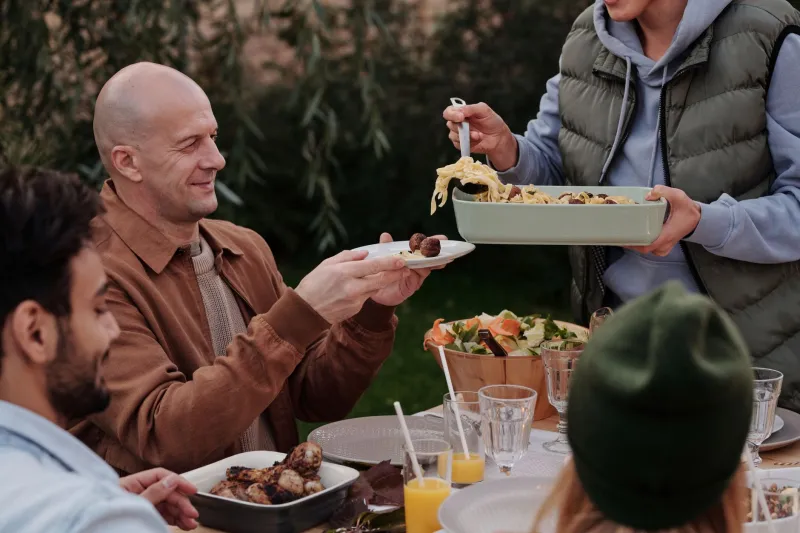
Photo by Photo by Guille Álvarez on Unsplash on Unsplash
There's a scene that shows up again and again in Japanese folklore. A young person — lost, reckless, or just plain confused — stumbles into the presence of someone older. Not a parent, not a boss. Something more like a guide. The elder doesn't lecture. They ask a question, or tell a story, or disappear just long enough to let the young person figure out what they already knew. The lesson lands sideways, quietly, in a way that sticks.
If that dynamic sounds appealing to you right now, you're not alone. And you might be younger than you think.
The Mentorship Famine
Here's a thing that doesn't get said enough: a huge chunk of American Gen Z and millennials are navigating their twenties and thirties without a single meaningful mentorship relationship. No wise older colleague pulling them aside. No community elder. No one who's been around long enough to say I've seen this before and actually mean it.
What they have instead is content. Endless, optimized, engagement-chasing content. Podcasts that sound like advice but are really just vibes. Influencers who've built parasocial empires on the illusion of intimacy. Reddit threads that mistake volume for wisdom. The loneliness researchers keep talking about? It's not just social loneliness. It's mentorship loneliness — a specific hunger for someone who genuinely knows more and actually gives a damn about passing it on.
And somehow, of all places, Japanese folklore is stepping into that gap.
The Elder Archetype in Japanese Tradition
Japanese oral storytelling has always been generous with its wise elder figures. You've got the okina — the ancient, often supernatural old man who appears at crossroads and in forests. You've got the tengu, those long-nosed mountain spirits who famously trained the young warrior Ushiwakamaru in the art of swordsmanship. You've got the kitsune in its elder form: not a trickster, but a being of accumulated knowledge, testing rather than deceiving.
What makes these figures work narratively — and apparently, emotionally — is that they don't hand answers over. The transmission of wisdom in these stories is almost always indirect. The student has to earn the insight through attention, patience, and a willingness to look foolish. The elder's job isn't to fix the young person. It's to create conditions where the young person can fix themselves.
That's a radically different model from what most Americans grow up with, where mentorship (when it exists at all) tends to look like networking, resume advice, or performance reviews.
When TikTok Becomes the Village
You'd think the short-form video format would be the last place this kind of storytelling could survive. And yet.
A growing number of creators — some Japanese American, some just deeply into the tradition — are structuring their content around exactly this dynamic. Not the hyped-up guru energy of motivational content. Something quieter. A story first, then a question left hanging. An old tale retold with just enough contemporary texture that viewers recognize themselves in it. The comment sections on this kind of content read differently than usual. Less "this is so true lol" and more "I need to sit with this."
On YouTube, longer-form channels dedicated to Japanese folklore and classical literature have built surprisingly devoted audiences among people in their twenties. Part of the draw is obviously the storytelling itself — these are genuinely good stories. But creators who do this well will tell you the messages they get aren't just about entertainment. People are writing in about their careers, their relationships, their sense of direction. They're treating the channel like a village elder's doorstep.
"I didn't set out to be anyone's mentor," one creator told a podcast audience last year. "I just kept retelling these old stories. But the stories were already doing that work. I just showed up."
Why the Sideways Lesson Works
There's something psychologically specific about why indirect wisdom transmission — the hallmark of the Japanese elder archetype — lands so well with people who've grown up oversaturated with direct advice.
When someone tells you what to do, your defenses go up. You argue, or you comply without really absorbing anything. But when a story shows you a situation and lets you draw your own conclusions, something different happens. The insight feels self-generated. It sticks.
This is actually pretty well-documented in educational psychology, but Japanese storytelling traditions seem to have understood it intuitively for centuries. The tengu doesn't tell Ushiwakamaru how to fight. He creates scenarios. The kitsune doesn't explain the lesson. It engineers the experience.
For a generation that's been talked at their entire lives — by algorithms, by brands, by an internet that is relentlessly, exhaustingly direct — the oblique approach feels almost shockingly respectful. It treats you like someone capable of figuring things out.
Bringing It Home
Some of this is playing out in pretty tangible ways in American daily life. Book clubs organized around Japanese classical literature — The Tale of Genji, collections of setsuwa folk tales, even manga with strong mentor-student dynamics — are framing their discussions explicitly around what the elder figures in those stories are modeling. Journaling communities on Substack are using traditional tale structures as prompts for reflection.
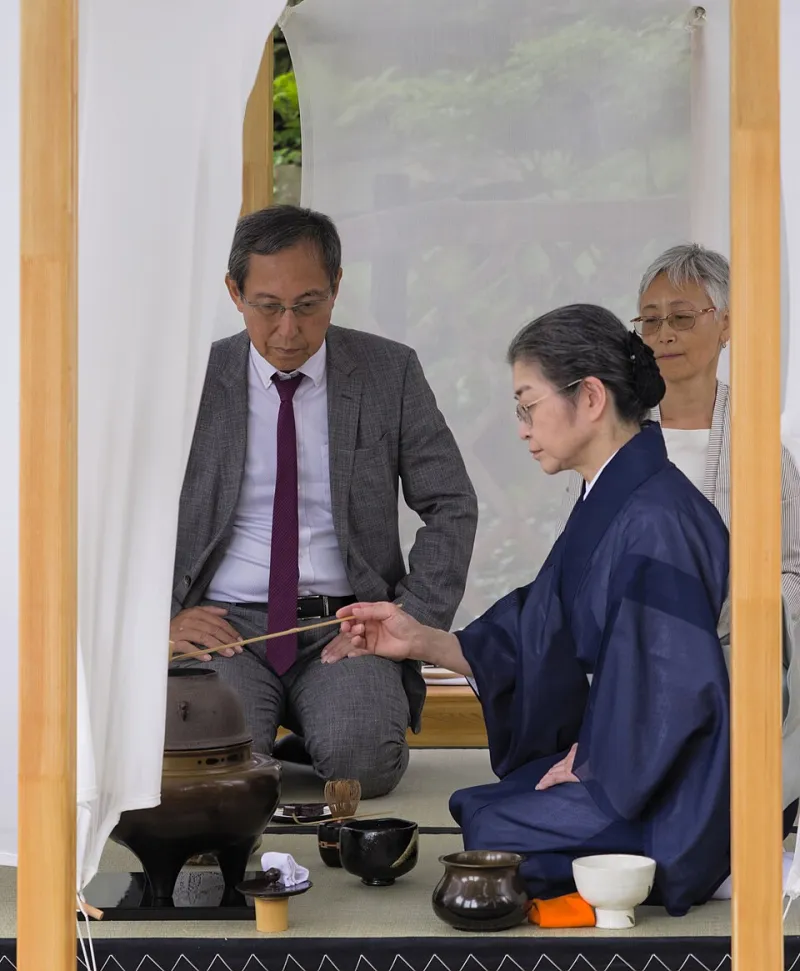
There's also a quieter, more personal version of this happening. People are actively seeking out older mentors — not in a professional networking way, but in a I want someone who's lived more than me to tell me a story way. Some are finding that in grandparents they'd lost touch with. Some are finding it in community centers, in martial arts dojos, in Japanese cultural organizations that have been doing this kind of intergenerational transmission all along and are now suddenly getting a lot more interest from outside their usual communities.
The Fox Still Has Something to Say
Here's the thing about the wise elder archetype in Japanese folklore: it doesn't promise easy answers. It promises presence. The tengu shows up in the forest. The old kitsune appears at the gate. They're not there to make your life easier. They're there to make it more navigable.
Maybe that's exactly what the loneliest generation is actually asking for. Not a lifehack. Not a five-step framework. Just someone — or something — that's been around long enough to know how the story goes, and is willing to sit with you long enough for you to figure out your part in it.
The village elder isn't gone. Turns out, they were just waiting for someone to come ask the right question.