Oni at the Door: How Japanese Demon Mythology Is Haunting American Halloween in the Best Way
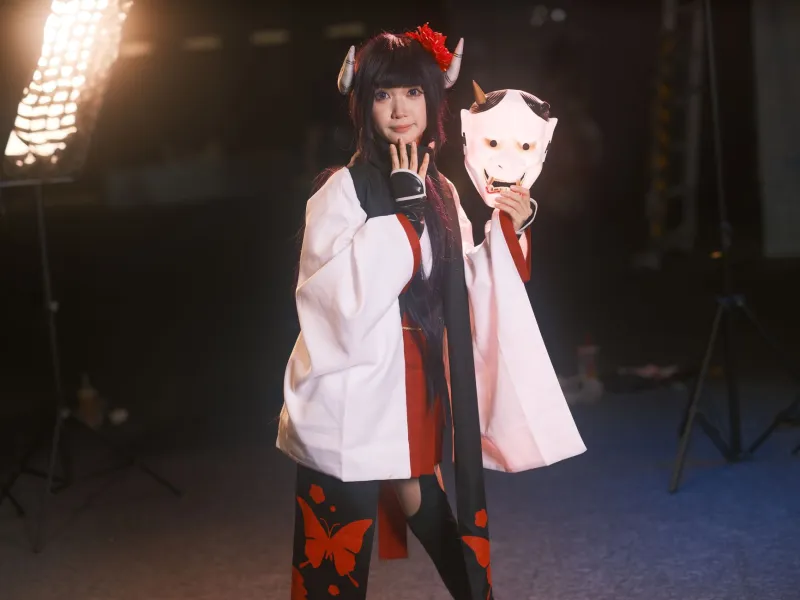
Halloween in America has always been a shape-shifter. It borrowed from Celtic harvest rituals, soaked up Victorian ghost lore, and eventually became the candy-industrial complex we know today. But something new is stirring in the jack-o'-lantern glow. Walk through any major American city on Halloween night these days, and you're increasingly likely to spot something that looks less like a Spirit Halloween clearance rack and more like it wandered out of a centuries-old Japanese woodblock print.
Oni masks. Yurei-pale makeup. Paper lanterns shaped like chochin. Costumes that reference Noh theater rather than Netflix. Japanese demon folklore is quietly infiltrating American Halloween culture, and honestly? It fits perfectly.
What Even Is an Oni?
For anyone just stepping into the mythology, a quick primer. Oni are supernatural creatures from Japanese folklore — massive, terrifying, and unmistakably iconic with their horned heads, wild hair, and club-wielding fury. They're often described as demons or ogres in English, but that translation flattens a much richer tradition. In Shinto and Buddhist cosmology, oni serve as enforcers of cosmic justice, punishing the wicked in the underworld. They appear during Setsubun (Japan's bean-throwing festival in early February), they guard temple gates, and they haunt the edges of old folk stories as both villains and, sometimes, reluctant protectors.
Then there are yokai — the broader umbrella of Japanese supernatural creatures that includes everything from shape-shifting kitsune foxes to the umbrella ghost (yes, really) to the genuinely unsettling kuchisake-onna, a woman with a surgically altered smile who asks strangers whether they find her beautiful. Japanese folklore has been building a monster roster for thousands of years, and it's extraordinarily good at it.
Yurei, Japan's answer to Western ghosts, round out the trio that's showing up most prominently in American Halloween spaces. Long black hair obscuring the face, white burial kimono, that particular brand of slow, creeping dread — if you've seen The Ring or Ju-On, you've already met them.
Why Now? Why Halloween?
The timing isn't accidental. A generation that grew up watching Inuyasha, playing Onimusha, and falling headfirst into the world of Demon Slayer is now old enough to throw its own Halloween parties. These aren't casual fans picking up surface-level aesthetics — they're people who spent their formative years genuinely immersed in Japanese mythology and visual storytelling. When Halloween comes around, it makes complete sense that they'd reach for the monster traditions they actually find compelling.
There's also a broader cultural fatigue with the same-old Halloween imagery. Cobwebs and plastic skeletons have their charm, but they're everywhere. Japanese folklore offers something genuinely different: a visual language that's deeply atmospheric, historically rich, and — crucially — beautiful in a way that Western monster aesthetics often aren't. An oni mask isn't just scary. It's a work of art.
Social media has accelerated all of this dramatically. TikTok and Instagram are full of creators building elaborate Japanese-inspired Halloween setups, and the aesthetic spreads fast. Search "yokai Halloween" or "oni costume DIY" on any platform and you'll find a thriving community of people sharing tutorials, sourcing traditional materials, and comparing notes on which yokai translates best to a front-porch display.
Building Your Own Yokai Halloween
So how do you actually bring some of this into your own October celebrations? A few starting points:
The Oni Mask Centerpiece Traditional oni masks — called oni men in Japanese — are available through Japanese craft shops and import retailers online. But making your own is genuinely satisfying and more personal. Paper mache forms work beautifully as a base. Classic oni color coding: red oni tends to represent passion and anger, blue oni is associated with sorrow and cold, and green oni connects to greed. Pick your vibe. Add dramatic horns, wild painted eyebrows, and exaggerated fang teeth. Hung on a front door or displayed over a fireplace, a well-made oni mask is a statement piece that will stop people in their tracks.
Chochin Lanterns for Atmosphere Chochin are traditional Japanese paper lanterns, and they create an atmosphere that string lights simply can't match. Red and white ones are common at festivals, but for Halloween purposes, go deep orange, ghostly white, or inky black. Hang them along a porch railing or cluster them near your entryway. Add a flickering LED candle inside and the effect is genuinely eerie and elegant at the same time.
Yurei Costume Done Right A yurei costume is more than a white sheet with eye holes. The traditional elements include a white katabira (funeral kimono), hair worn long and loose over the face, and makeup that drains all color from the skin while adding subtle blue-gray shadows around the eyes. The hands are often posed with wrists bent downward, fingers trailing. It's a costume that rewards commitment — the stiller and quieter you stay, the more unsettling it becomes.
A Yokai Gallery Wall One of the most accessible ways to bring Japanese folklore into your Halloween decor is through art. Classic yokai illustrations — the kind found in old hyakumonogatari (hundred ghost stories) collections — are widely available as prints. Frame a selection and arrange them salon-style on a dark wall. Include labels in both English and Japanese for each creature. It becomes a conversation piece that also doubles as a genuinely spooky gallery.
Community Spaces Where This Is Already Happening
Across the US, communities are experimenting with blended Halloween traditions in really creative ways. Anime convention circuits have been hosting Halloween events that lean heavily into yokai aesthetics for years now, and those communities have developed serious expertise in costume construction and decoration.
In cities with established Japanese American communities — Los Angeles, Seattle, the Bay Area, Honolulu — you'll find cultural centers and local businesses that stock traditional Halloween-adjacent items like oni masks and paper lanterns, making it easier than ever to source authentic materials. Some Buddhist temples in the US also hold autumn events that touch on the themes of honoring the dead and acknowledging the spirit world, which creates interesting points of overlap with Halloween's own underlying themes.
Online, communities on Reddit, Discord, and dedicated fan forums share builds, costume photos, and folklore deep-dives every October. If you want to go beyond the basics, those spaces are invaluable.
Respecting the Tradition
A quick note worth including: Japanese folklore is a living cultural tradition, not just an aesthetic library. Approaching it with genuine curiosity and respect matters. That means learning the actual stories behind the creatures you're depicting, understanding that these traditions come from a specific spiritual and cultural context, and being thoughtful about how you represent them. The goal isn't appropriation — it's appreciation that actually does the source material justice.
The good news is that the depth of Japanese folklore rewards that investment enormously. The more you learn, the richer your Halloween gets. An oni isn't just a scary face. It's a figure with a whole cosmology behind it, and that context makes everything more interesting.
Halloween has always been about letting the uncanny in for one night. Japanese folklore has been doing that, and doing it beautifully, for a very long time. This October, maybe let the oni knock.