Cottagecore Has Nothing on This: Why Gen Z Is Obsessed With Japanese Village Aesthetics
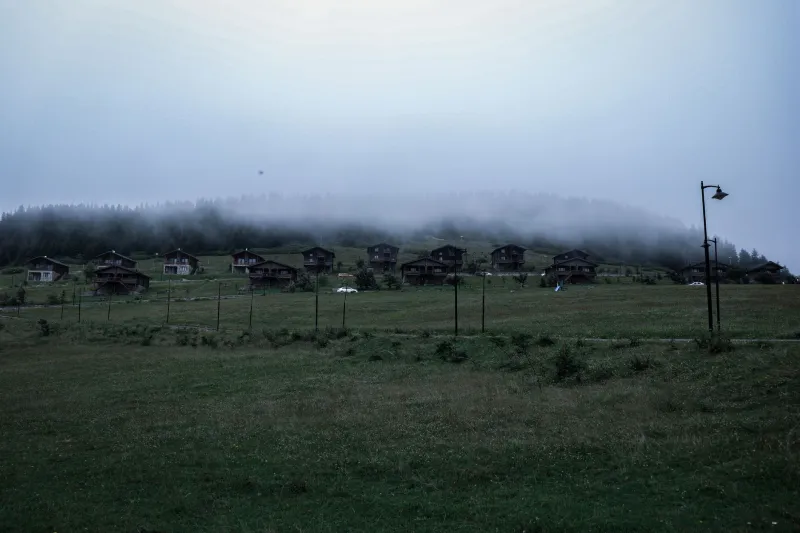
Scroll through TikTok long enough and you'll bump into it eventually — a soft-focus video of a misty mountain village, paper lanterns glowing amber against ancient wooden storefronts, the sound of rain tapping a tiled roof. No commentary. No trending audio. Just a place that feels impossibly quiet and impossibly far away. The caption usually says something like "where I want to live" or "main character energy." The likes are in the hundreds of thousands.
Something is happening with Gen Z and the Japanese village fantasy, and it goes way deeper than aesthetic boards on Pinterest.
The Burnout Is Real — And So Is the Escape Hatch
Let's be honest about the context here. A lot of young Americans right now are navigating a world that feels relentlessly loud. Dense cities, brutal rent, doom-scrolling, gig economy hustle, and the particular exhaustion of being permanently online. The irony is that Gen Z — the most digitally native generation in history — is using digital spaces to escape into visions of slow, analog, deeply rooted life.
And Japanese village aesthetics offer something that generic "cottagecore" or "dark academia" trends can't quite match: specificity. There's a whole visual and philosophical vocabulary here. Stone torii gates half-swallowed by moss. Narrow streets lined with wooden machiya townhouses. The smell of cedar and incense you can almost imagine through a screen. It feels ancient and intentional in a way that a Pinterest board of English countryside photos just doesn't.
That specificity matters. It signals depth. And depth is exactly what a generation burned out on surface-level content is craving.
Stardew Valley Opened a Door That Ghibli Built
You can't talk about this trend without talking about games. Stardew Valley — the indie farming sim that's sold over 30 million copies — is practically a gateway drug into this whole world. While it's not explicitly Japanese, its DNA is deeply influenced by the Harvest Moon series, which is. Players tend crops, build relationships with townsfolk, fish at dawn, and celebrate seasonal festivals. The game's entire emotional architecture is built around slowness, community, and paying attention to the natural world.
For a lot of Gen Z players, Stardew was their first real encounter with the idea that the village is the point — not a backdrop, not a pit stop on the way to the dungeon boss, but the actual heart of the story.
From there, Studio Ghibli films do the rest of the heavy lifting. My Neighbor Totoro, Spirited Away, Nausicaä — these movies don't just use rural Japan as a setting. They treat it as a living character. The forests have gods. The bathhouses have spirits. The fields remember the people who worked them. That animism, that sense that every place is inhabited and every season is sacred, resonates with a generation that grew up in subdivisions and strip malls and is quietly grieving the loss of something they never quite had.
Lo-Fi Japan and the Sound of Somewhere Else
The lo-fi study music phenomenon is worth a closer look here. The iconic "lo-fi hip hop radio" aesthetic — that endlessly looping animation of a girl studying by a rain-streaked window — is practically inseparable from Japanese visual culture at this point. Cozy interiors, paper shoji screens, a cat on the windowsill, autumn leaves outside. These streams have racked up billions of hours of watch time.
What are people actually doing while they listen? Homework. Work. Trying to focus in an apartment that doesn't feel like a home. The music and the visuals are doing emotional labor — they're creating a sense of place and peace that the listener's actual environment isn't providing.
Creators have noticed. The "Japanese village aesthetic" content niche on YouTube and TikTok has exploded in the last few years. Walking tours of Shirakawa-go. Time-lapses of snow falling on traditional farmhouses in Gifu Prefecture. Ambient soundscapes from Kyoto back alleys at 3 a.m. These videos aren't travel content, exactly. They're more like architecture for the imagination.
Building Real Villages Inside Digital Ones
Here's the part that surprises people: the communities forming around this aesthetic aren't passive. They're genuinely building something.
Discord servers dedicated to "slow living" inspired by Japanese principles have tens of thousands of members. People share recipes for seasonal Japanese dishes, trade recommendations for games like Sakuna: Of Rice and Ruin or Spirittea, post photos of their apartment setups styled with noren curtains and ceramic tea sets, and organize group watches of Ghibli films. There are accountability groups for people trying to incorporate Japanese seasonal practices — the shun concept of eating with the season — into their daily lives in places like Columbus, Ohio or Boise, Idaho.
This is the thing about village mythology that the algorithm keeps rediscovering: the point was never really the village. The point was the belonging. The sense that you live somewhere that knows your name, that the people around you share a rhythm, that your daily life is connected to something bigger than a lease agreement and a to-do list.
Gen Z didn't lose the village — most of them never had it. But they know what it's supposed to feel like. And they're building it, one lo-fi playlist and one Discord server at a time.
What This Means for How We Tell Stories
For creators, game designers, and anyone building community spaces in 2024 and beyond, the lesson here feels pretty clear. Village-centered storytelling — stories where community, seasons, ritual, and rootedness are the actual subject — isn't niche anymore. It's filling a genuine gap in people's emotional lives.
The Japanese village aesthetic is resonating so hard right now because it offers a complete alternative worldview. Not just a visual style, but a different set of values about what a good life looks like. Slower. More attentive. Embedded in place and season and the faces of your neighbors.
In a world that keeps selling speed and scale and disruption, that's not escapism. That's a pretty radical act of imagination.