Found Family IRL: How Anime Fans Across America Are Turning Fandoms Into Villages
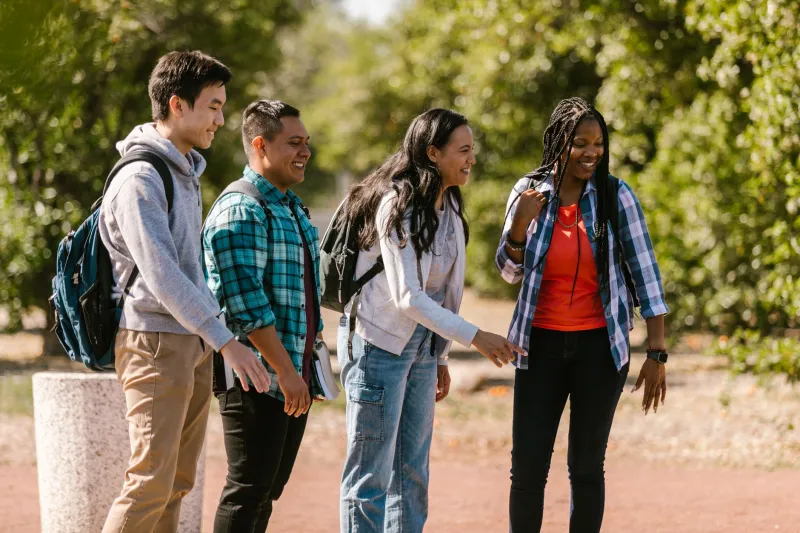
There's a concept woven through so much of anime storytelling that it almost functions as a genre unto itself: the found family. You see it in Fullmetal Alchemist, in My Hero Academia, in Fruits Basket. A group of people — sometimes misfits, sometimes strangers — who stumble into each other's orbits and choose, again and again, to stay. To show up. To become something like a village.
For a long time, the irony wasn't lost on fans. You'd watch these stories of radical belonging from the comfortable isolation of your bedroom, maybe thousands of miles from anyone who understood why you were crying over a fictional fox spirit or a robot with a soul. But something has been shifting. Quietly, steadily, anime communities in the US have started building the real thing.
The Loneliness Problem Nobody Talked About
America has a well-documented loneliness epidemic — and younger adults are among the most affected. According to surveys from organizations like the American Psychological Association, Gen Z and Millennials consistently report higher levels of social isolation than older generations, even as they're the most digitally connected cohort in history. Shared interests have always been a bridge to friendship, but for anime fans, the bridge used to feel rickety at best.
Being into anime in, say, rural Ohio or suburban Texas a decade ago often meant keeping that part of yourself quiet. The culture wasn't mainstream enough to bond over at the office or at a backyard barbecue. So fans retreated further inward — or online.
But online communities evolved. And then they started leaking into real life in the most wonderful ways.
Discord Changed the Geography of Belonging
Ask anyone who's found their people through anime fandom in the last five years, and Discord will almost certainly come up. What started as a platform for gamers has become one of the most vibrant community-building tools for anime fans, and the structure of it — servers with channels, roles, and real-time voice chat — maps surprisingly well onto village logic. There's a space for everything. There's a role for everyone.
Local Discord servers, in particular, have become genuine community hubs. A server for anime fans in the Denver metro area might start with a hundred members swapping episode reactions, but it quickly grows into something more. Watch parties get organized. Someone suggests a ramen crawl. A member who just moved from out of state posts that they don't know anyone yet, and three people immediately offer to show them around.
"It sounds small, but it's not," says one moderator of a Pacific Northwest-based anime server with over 600 members. "We had someone tell us that our monthly meetup was the first time they'd laughed with other people in months. That hits different."
These servers don't just replicate friendship — they accelerate it. Shared cultural references, a mutual love of specific shows, and the low-stakes environment of text chat create a kind of social shorthand that can take years to develop in more traditional friendships.
Convention Culture and the Annual Pilgrimage
If Discord is the village square, conventions are the festivals — and in Japan, festivals have always been about more than the event itself. They're about the gathering. The ritual of showing up somewhere specific, at a specific time, with your people.
Events like Anime Expo in Los Angeles, Otakon in Washington D.C., and dozens of regional cons from Florida to Minnesota have become annual pilgrimages for fans who've built relationships online. Many attendees will tell you that the convention itself is almost secondary to the experience of finally being in the same physical space as the friends they've texted every day for two years.
Cosplay groups plan coordinated looks for months in advance. Small Discord communities rent shared hotel rooms and turn the whole weekend into something closer to a reunion than a convention. The Japanese concept of matsuri — a festival that reinforces communal bonds as much as it celebrates a deity or season — isn't so far from what's happening in the dealer's hall at a mid-size anime con in Columbus, Ohio.
The Cultural Thread That Holds It Together
What makes anime-based communities distinct from, say, a general pop culture fan group is the depth of shared cultural material. Japanese mythology, aesthetics, food culture, seasonal traditions, and storytelling frameworks give fans a rich, layered vocabulary to connect over. It's not just "did you watch the new episode" — it's conversations about the symbolism of the fox in Inari mythology, or why the bathhouse in Spirited Away feels like a real place even though it isn't, or what it means that so many beloved anime are set in small, close-knit villages rather than big cities.
That cultural depth creates genuine intellectual intimacy — the kind of connection that makes friendships feel meaningful rather than circumstantial. Fans aren't just bonding over entertainment. They're bonding over a shared worldview, a shared aesthetic sensibility, and often a shared feeling that the values embedded in Japanese storytelling — community, perseverance, the importance of showing up for each other — resonate more than the cultural scripts they grew up with.
Building Your Own Village
If any of this sounds familiar — if you've been watching from the sidelines and wondering how to find your people — the infrastructure is already there. A quick search on Discord's server discovery feature will turn up anime communities in most major US cities and many smaller ones. Websites like Meetup.com regularly host anime club events. Your local library or comic shop may already have a group you don't know about.
And if it doesn't exist yet? The most village-like thing you can do is build it yourself. Start a watch party. Post in a local subreddit. Host a themed dinner. The found families in anime don't usually begin with a grand gesture — they begin with one person deciding to open a door.
The village is out there. Sometimes it just needs someone to light the first lantern.