How to Throw a Backyard Matsuri Your Neighborhood Will Never Forget
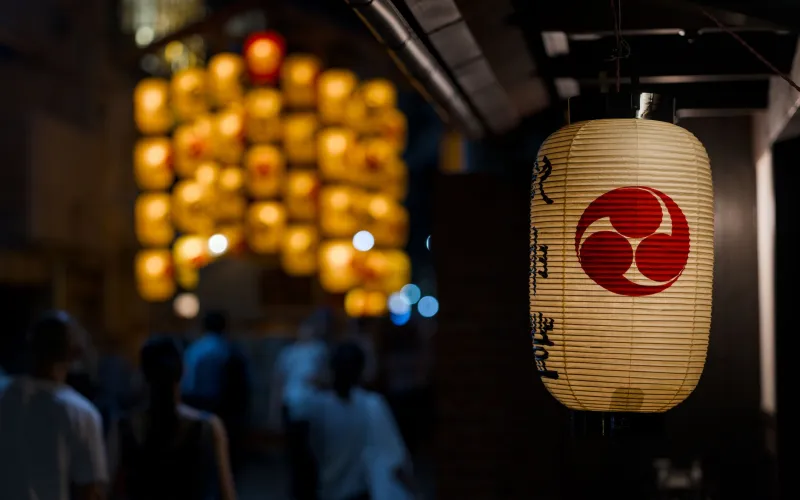
There's a particular kind of magic that happens at a Japanese festival. The warm glow of paper lanterns strung between trees. The smell of grilled corn and sweet red bean paste drifting through evening air. Children in yukata darting between game booths while taiko drums pulse in the background. If you've ever attended a matsuri — or fallen in love with one through anime — you already know the feeling.
The good news? You can create a version of that magic without leaving your zip code.
Across the U.S., small communities of Japanese culture enthusiasts, anime fans, and heritage groups have been quietly building their own matsuri traditions — backyard gatherings, neighborhood block parties, and apartment courtyard celebrations that capture the spirit of Japan's beloved festival season. We talked to some of them, and we're sharing everything they've learned.
Understanding What Matsuri Actually Is
Before you start stringing lights, it helps to know what you're drawing from. Matsuri (祭り) literally means "festival," but in Japan it carries a deeper meaning — these events are traditionally tied to Shinto shrines and mark seasonal transitions, harvests, or the honoring of local kami. Summer matsuri like Tanabata and Obon are perhaps the most widely known, but festivals happen year-round across Japan, each with its own regional character.
For your backyard version, you're not recreating a religious ceremony — you're celebrating the spirit of matsuri: community gathering, seasonal awareness, playfulness, and gratitude. That's a distinction worth holding onto, and one that lets you engage with the tradition respectfully rather than treating it like a costume party.
Pick Your Season and Theme
The most natural starting points for American backyard matsuri are the two big summer festivals: Tanabata (early July, celebrating the star-crossed lovers Orihime and Hikoboshi) and Obon (mid-August, honoring ancestors). Both translate beautifully to warm-weather outdoor gatherings.
Tanabata gives you a built-in activity: guests write wishes on strips of colored paper (tanzaku) and hang them from bamboo branches. It's simple, it's beautiful, and it gives people something to do with their hands while they're getting comfortable. Obon, with its Bon Odori circle dances and lantern-floating traditions, lends itself to a more contemplative, community-focused evening.
If summer isn't your window, autumn offers the Momiji (maple leaf viewing) aesthetic — think deep reds and oranges, warm miso soup, and a quieter, more reflective gathering vibe.
DIY Decorations That Actually Look Good
Paper Lanterns (Chochin) You can buy inexpensive round paper lanterns at most import stores or online, but making your own adds a layer of meaning. All you need is white tissue paper, wire frames (available at craft stores), and watercolor paints. Paint simple motifs — foxes, chrysanthemums, waves — before assembling. String them with outdoor-safe LED fairy lights inside and hang between trees or along a fence line. The effect at dusk is genuinely stunning.
Torii-Inspired Gate A simplified torii gate makes an incredible entry point for your gathering space. Two wooden dowels planted in the ground with a crossbeam tied between them, painted in classic vermillion red, signals to guests that they're entering a special space. It doesn't need to be elaborate — the symbolism does the work.
Tanzaku Wishing Station For a Tanabata theme, cut strips of colored paper (yellow, blue, pink, green, and purple are traditional) and set up a bamboo branch in a bucket of sand or stones. Leave out markers and let guests write wishes throughout the evening. By the end of the night, your wish tree becomes a collective art installation.
The Food Situation
Festival food is non-negotiable. The good news is that several matsuri staples are surprisingly easy to make at home.
- Yakitori (grilled chicken skewers) can be prepped ahead and finished on any backyard grill. A simple tare sauce of soy sauce, mirin, sake, and sugar is the only thing standing between you and perfection.
- Takoyaki requires a special pan, but they're inexpensive and widely available online. Octopus balls are a crowd-pleaser and a conversation starter.
- Kakigori (shaved ice with flavored syrups) works perfectly with a standard countertop shaved ice machine. Set up a self-serve station with matcha, strawberry, and condensed milk syrups.
- Edamame and onigiri are easy, crowd-friendly, and require almost no equipment.
For drinks, cold mugicha (barley tea) is a summer staple in Japan that's deeply refreshing and widely available at Asian grocery stores across the U.S. Calpico soda is another hit with guests who haven't tried it before.
Games That Actually Work at Small Gatherings
Traditional matsuri games are perfect for intimate backyard settings because they don't require much space or equipment.
Kingyo-sukui (goldfish scooping) is exactly what it sounds like — a shallow tub of water, small plastic fish, and paper scoops that break easily, making the game surprisingly challenging. You can swap real fish for plastic toys if you'd rather keep things simple.
Yo-yo tsuri (water balloon fishing) uses small hooks on strings to catch water balloons floating in a tub. It's great for kids and genuinely addictive for adults.
Shateki (shooting gallery) can be recreated with small stuffed animals, a toy BB gun or rubber band launcher, and a bit of DIY shelf-building. Set it up against a fence and you've got instant carnival energy.
Real Communities, Real Matsuri
In Columbus, Ohio, a group of about thirty anime fans and Japanese culture enthusiasts has been holding an annual backyard Tanabata gathering for five years running. What started as a casual hangout has grown into a neighborhood tradition — neighbors who initially wandered over out of curiosity now bring dishes and help string lanterns.
"The first year we had like twelve people and a folding table," says one of the organizers. "Now people plan their summer around it. Someone always brings their grandma's recipe for something. It's become this genuinely communal thing."
That's the real heart of matsuri — not the decorations or the food, as much as we love both, but the gathering itself. The decision to mark a moment in time with the people around you, to create a ritual that says this matters, we're here together, and that's worth celebrating.
Your backyard might not have a thousand-year-old shrine. But it has you, and the people you're willing to invite in. That's a pretty good start.
A Quick Checklist to Get You Started
- Choose your theme and date (Tanabata in July or Obon in August work best for summer)
- Source or make paper lanterns and string lights
- Build a simple torii gate entrance
- Plan 3-4 festival foods (at least one grilled, one sweet)
- Set up one or two simple games
- Prepare a Tanzaku wishing station if going Tanabata-themed
- Create a playlist of matsuri music or traditional Japanese folk songs
- Brief your guests on the tradition so they can engage meaningfully
The village doesn't have to be in Japan. Sometimes it's just three houses down.