Pixel Shrines and Cobblestone Torii: Inside the American Gaming Communities Building Virtual Japan
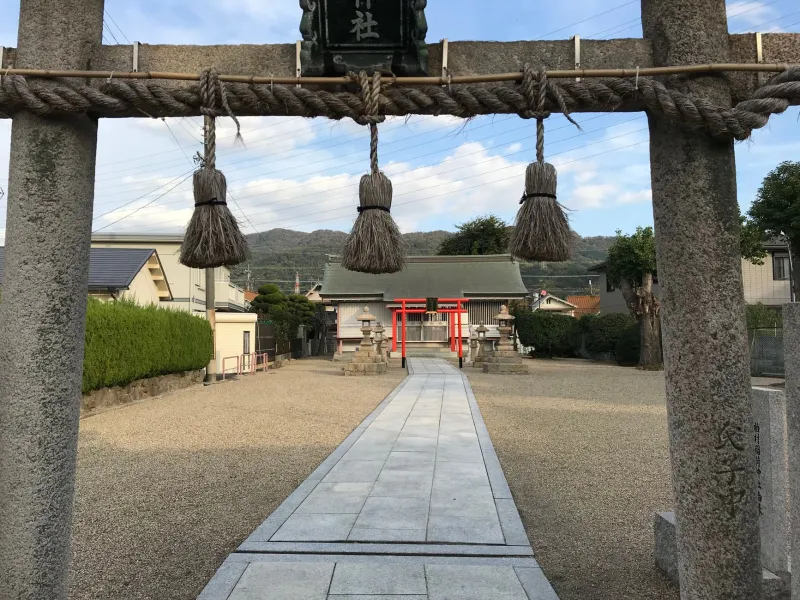
Open almost any popular Minecraft showcase channel or Animal Crossing design community on social media, and you'll find them: carefully laid stone paths winding through cedar trees, torii gates rendered in terracotta and wood planks, lanterns casting warm light over koi ponds made of blue stained glass. American players are building virtual Japan with an intensity and care that goes well beyond casual creative gaming.
This isn't a niche thing anymore. It's a full-blown phenomenon, and it says something genuinely interesting about what people in the US are longing for right now.
The Builds That Started the Conversation
A few years back, a handful of Minecraft creators started posting elaborate Japanese village builds that racked up millions of views almost immediately. The combination of traditional architecture — curved rooflines, elevated shrines, wooden bridges over still water — and Minecraft's blocky aesthetic turned out to be surprisingly harmonious. Something about the pixelated medium actually suits the clean, geometric lines of traditional Japanese construction.
Animal Crossing: New Horizons became its own catalyst when it launched in 2020. The timing was painfully on-the-nose — a game about building a peaceful island community dropped during the first wave of lockdowns, and players poured hundreds of hours into it. Among the most shared island designs were Japanese-inspired ones: bamboo groves, stone lantern paths, shrine areas built from the game's available furniture and terrain tools. Dream Address codes for these islands spread rapidly through Twitter and Reddit, letting anyone visit a stranger's virtual Japanese village from their couch.
The players behind these builds aren't a monolith. They're teenagers who discovered Studio Ghibli films and needed somewhere to put those feelings. They're adults who've been watching anime since the early 2000s and finally have the tools to build the landscapes they grew up loving on screen. They're people who've never visited Japan but have absorbed its aesthetics so thoroughly through media that building a virtual version feels like a natural creative expression.
What Makes a Japanese Village Build?
If you want to start your own, the visual grammar of these builds is worth understanding before you place a single block.
The Torii Gate This is almost always the anchor of a Japanese-inspired build. In real life, torii gates mark the entrance to Shinto sacred space — they're the threshold between the ordinary world and something more. In Minecraft, players typically construct them from crimson or jungle wood planks for the warm red-orange color, paired with stone or polished basalt for contrast. The classic shape is two vertical pillars with two horizontal beams across the top, the upper beam extending slightly beyond the pillars on each side. Line a pathway with progressively smaller torii gates leading toward a shrine and the effect is immediately recognizable.
Stone Pathways and Lanterns Gravel, andesite, and stone slabs are the go-to materials for creating the irregular stepping-stone paths common in Japanese garden design. Alternate them slightly, add moss between the stones, and resist the urge to make anything perfectly straight. Japanese garden aesthetics embrace gentle asymmetry. For lanterns, the stone lantern (tōrō) shape can be approximated with a column of stone, a wider middle section, and a small roof-shaped cap. In Animal Crossing, the game's own stone lantern furniture items make this considerably easier.
Water Features A Japanese-inspired build without water feels incomplete. Koi ponds, small waterfalls fed by bamboo shoots, and still reflecting pools are all central elements. In Minecraft, the key is framing water carefully — irregular edges lined with moss, stone, and a few carefully placed flowers feel intentional and designed rather than procedurally generated. In Animal Crossing, the river customization tools allow for surprisingly elegant water garden layouts.
The Shrine Building Itself For the main structure, look at reference images of actual Shinto shrines — the haiden (worship hall) and honden (main hall) forms are distinct and recognizable. Elevated platforms, wooden columns, and gently sloped roofs are the key elements. In Minecraft, players often use a combination of dark oak or stripped logs for columns, stone brick for foundations, and staircase blocks arranged carefully to approximate curved rooflines. It requires patience but the results are extraordinary.
The Communities Making This Happen
Behind the builds are communities, and those communities are doing something culturally interesting.
On Reddit, subreddits dedicated to both games regularly feature Japanese village builds in their top posts. The comment sections on these posts are full of people asking for tutorials, sharing their own attempts, and discussing the folklore or aesthetic traditions behind specific elements. Someone will post a shrine build and another commenter will ask about the mythology behind the fox statues flanking the entrance — and suddenly a gaming post becomes a conversation about kitsune mythology and the inari shrine tradition.
Discord servers dedicated specifically to Japanese-aesthetic building in various games have grown substantially. These communities share resource packs for Minecraft that add traditional Japanese textures, catalog Animal Crossing design codes for tatami mats and sliding screens, and sometimes organize collaborative mega-builds where dozens of players contribute to a single large virtual village.
YouTube creators in this space have built substantial audiences by documenting their builds in real time, often pausing to explain the historical or cultural reference behind a particular element. The educational component seems to be part of the appeal — people aren't just learning to build, they're learning about Japan through the building process.
Why This Particular Aesthetic?
It's worth sitting with the question of why Japanese village aesthetics specifically. There are Minecraft communities building medieval European castles, futuristic cities, fantasy kingdoms. What is it about the Japanese village template that resonates so strongly with American players?
Part of it is definitely the media pipeline. Generations of anime, Studio Ghibli films, and Japanese video games have given American audiences a deep visual familiarity with these spaces. The village in My Neighbor Totoro, the spirit bathhouse in Spirited Away, the town in Harvest Moon — these places feel almost like memories to people who grew up with them, even though they're entirely fictional. Building a digital version is a way of inhabiting spaces that only ever existed on a screen.
But there's something else too. Japanese village aesthetics tend to emphasize harmony with the natural environment, intentional slowness, and a sense of things being carefully maintained over time. In a moment when a lot of American life feels chaotic, loud, and disposable, building a virtual space that embodies the opposite of all that has genuine emotional appeal. The game becomes a kind of meditation.
The inari shrine tradition — those pathways of torii gates leading to a place of quiet significance — translates beautifully into gaming's core mechanic of traversal and discovery. Walking a path toward something meaningful is what games do well, and it's also what shrine architecture does well. The overlap isn't accidental.
Starting Your Own Virtual Village
If this has you itching to open up your own game and start laying stone paths, a few practical notes:
Start with a clear center — your shrine or focal point — and build outward from there. Resist the urge to sprawl immediately. Japanese village aesthetics reward density and intention over scale. A small, carefully considered space will always look better than a huge, rushed one.
Use reference images constantly. Real Japanese shrine towns and garden photography are invaluable guides. Pinterest boards dedicated to Japanese architecture and garden design are a legitimate tool for serious builders.
Leave space for nature. Trees, bamboo, moss, and water should feel like they're encroaching gently on your structures, not the other way around. The buildings exist within the landscape, not despite it.
And if you get stuck, those Discord communities and Reddit threads are genuinely welcoming places. People in these spaces tend to be enthusiastic about sharing knowledge, and the collaborative energy is part of what makes this whole phenomenon feel less like a hobby and more like a community.
Maybe that's the real point. Whether it's a virtual inari shrine built from Minecraft blocks or a living room decorated with paper lanterns and fox figurines, people are finding ways to create spaces that reflect a different set of values. Peaceful. Intentional. Rooted in something older than themselves. The village, it turns out, is something a lot of us are building — one pixel at a time.